The Alex Manfull Fund (TAMF) brought together researchers, physicians, and other healthcare professionals in Portsmouth, New Hampshire, on November 14, 2026, for its symposium, ONE BODY: Advancing the Understanding and Treatment of Immune-Mediated Neuropsychiatric Disorders such as PANDAS/PANS. Presentations examined emerging research into immune-mediated neuropsychiatric illness, advances in understanding PANS/PANDAS, and approaches to improving clinical recognition, treatment, and coordinated care.
ASPIRE extends its sincere thanks to The Alex Manfull Fund and the Manfull family for welcoming us to the symposium. The conference honors the memory of their daughter, Alex Manfull, a young adult whose life was tragically lost to PANDAS. Her legacy continues through the Fund’s commitment to advancing research, education, and awareness of PANS/PANDAS and related neuroimmune disorders. Her story is also a powerful reminder of why this work matters: improving recognition, expanding access to appropriate care, and advancing research are essential to preventing suffering and saving lives.
Across the conference, several important themes emerged. Researchers are developing new ways to investigate how immune activity may affect the brain, including advanced cellular models, molecular analysis, and potential biomarkers. Clinicians emphasized the importance of recognizing the full constellation of symptoms and changes from a patient’s baseline rather than evaluating psychiatric symptoms in isolation. Presentations also explored biological differences among patients, treatment approaches, and the need for healthcare systems that can translate recognition into timely, coordinated care.
Conference presentation videos are expected to be available soon through The Alex Manfull Fund. Visit the TAMF 2026 Symposium page for conference information and updates.
Recognizing the Full Clinical Picture
A recurring clinical theme was the importance of understanding a patient’s complete history, including changes from their previous level of functioning. During a multidisciplinary diagnostic panel, physicians emphasized that evaluating possible PANS/PANDAS requires looking beyond the symptoms that initially bring a patient to medical attention. Obsessive-compulsive symptoms, anxiety, restricted eating, irritability, sensory changes, sleep disturbances, urinary symptoms, and cognitive difficulties may occur in many conditions. Their timing, clustering, severity, and relationship to the patient’s baseline provide important diagnostic information.
Andrew Baumel, MD, encouraged clinicians to look for earlier, shorter symptom episodes associated with infections that may have preceded a more significant deterioration. Panelists also emphasized that pre-existing neurodevelopmental or psychiatric symptoms do not necessarily exclude PANS/PANDAS. A patient may have longstanding challenges and still experience a distinct, clinically meaningful change that warrants evaluation. Beth Latimer, MD, reinforced the importance of recognizing functional regression, including loss of previously established skills, changes in communication, and deterioration in school performance.
Together, these discussions highlighted a fundamental principle of clinical assessment: the complete symptom picture matters. Listening to the full history, identifying what has changed, and considering how symptoms developed over time can reveal information that might be missed when symptoms are assessed individually.
Investigating the Immune Mechanisms Behind Neuropsychiatric Symptoms
 Several presentations examined how immune activity can contribute to neuropsychiatric illness. Mark Pasternack, MD, placed PANS/PANDAS within the broader context of immune-mediated neuropsychiatric disorders, discussing connections to conditions such as Sydenham chorea, autoimmune encephalitis, and neuropsychiatric manifestations of systemic autoimmune disease. These conditions provide important examples of how immune dysfunction can impair brain function and lead to psychiatric, cognitive, and neurologic symptoms.
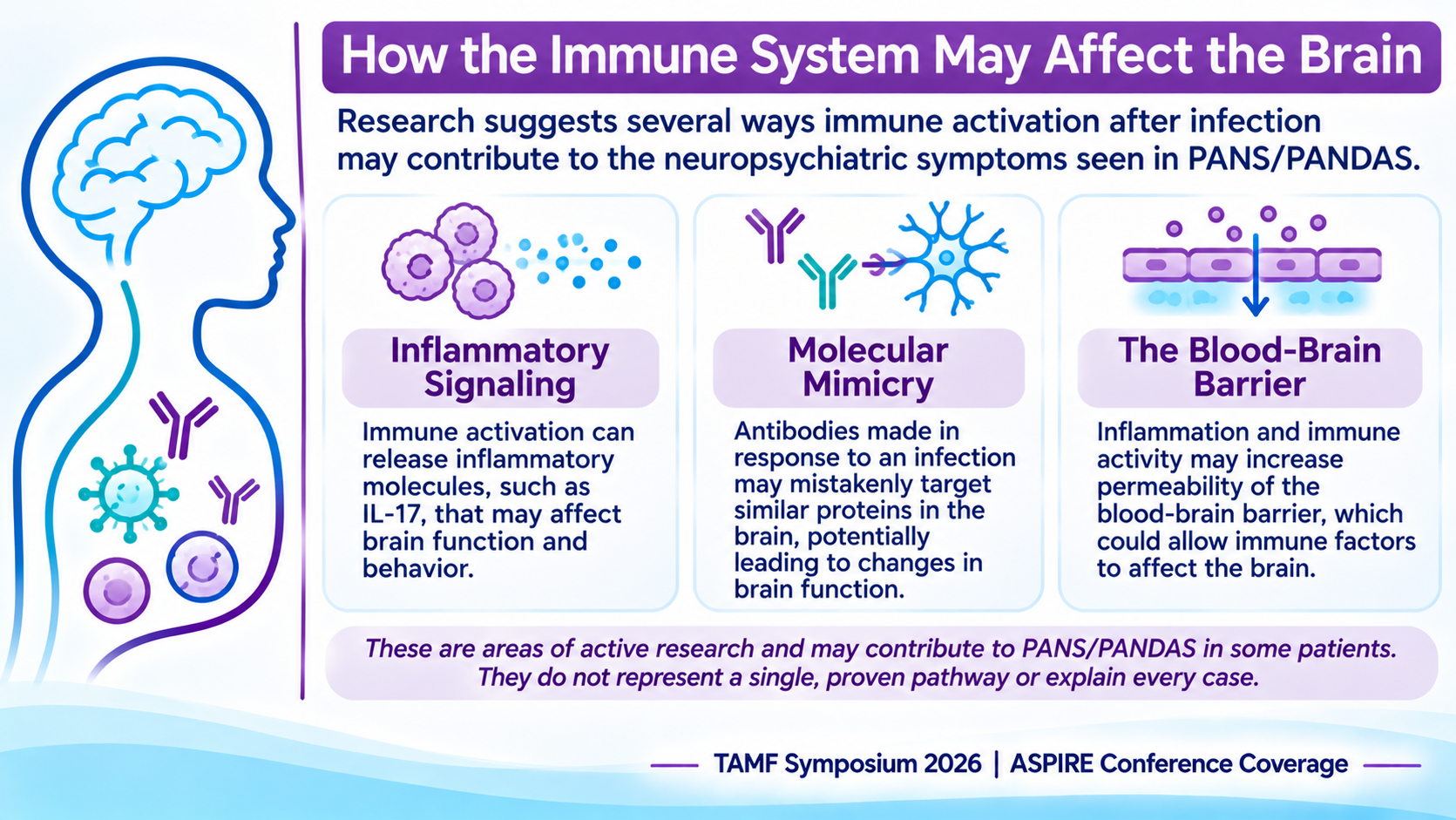
Other researchers focused on potential disease mechanisms, exploring specific ways the immune system may contribute to changes in brain function.
- Inflammatory signaling: Kyle Williams, MD, PhD, discussed research into how certain immune cells and inflammatory proteins may affect the brain. One focus was interleukin-17 (IL-17), a protein that helps coordinate immune responses. Williams explored whether an imbalance between immune cells that promote inflammation and those that help control it could contribute to obsessive-compulsive symptoms and other neuropsychiatric changes. His presentation included findings from OCD research as well as emerging studies involving PANS/PANDAS.
- Molecular mimicry: B. Robert Mozayeni, MD, explored how an immune response to an infection might mistakenly target the body’s own tissues. This process, called molecular mimicry, can occur when parts of an infectious organism closely resemble parts of the human body, leading the immune system to mistake them. Mozayeni presented early research involving three patients, using a laboratory technique called HLA immunopeptidomics to examine tiny protein fragments that immune cells use to recognize potential threats. His research investigated whether similarities between proteins from infectious organisms and human proteins could help explain autoimmune reactions.
- Immune activity affecting the brain: Several presentations explored how inflammation and immune signals outside the brain might influence what happens inside it. One area of interest was the blood-brain barrier, the protective system that regulates what passes from the bloodstream into the brain. Researchers are investigating how immune signals interact with this barrier and whether changes in that communication could contribute to psychiatric, cognitive, and neurologic symptoms.
Together, these presentations explored different parts of a larger question: How can an infection or immune response lead to changes in thinking, emotions, and behavior? By studying immune cells, inflammatory signals, and interactions between the blood and brain, researchers are working toward a more detailed understanding of the biological processes that may contribute to PANS/PANDAS and related neuroimmune conditions.
New Research Tools for Studying PANDAS
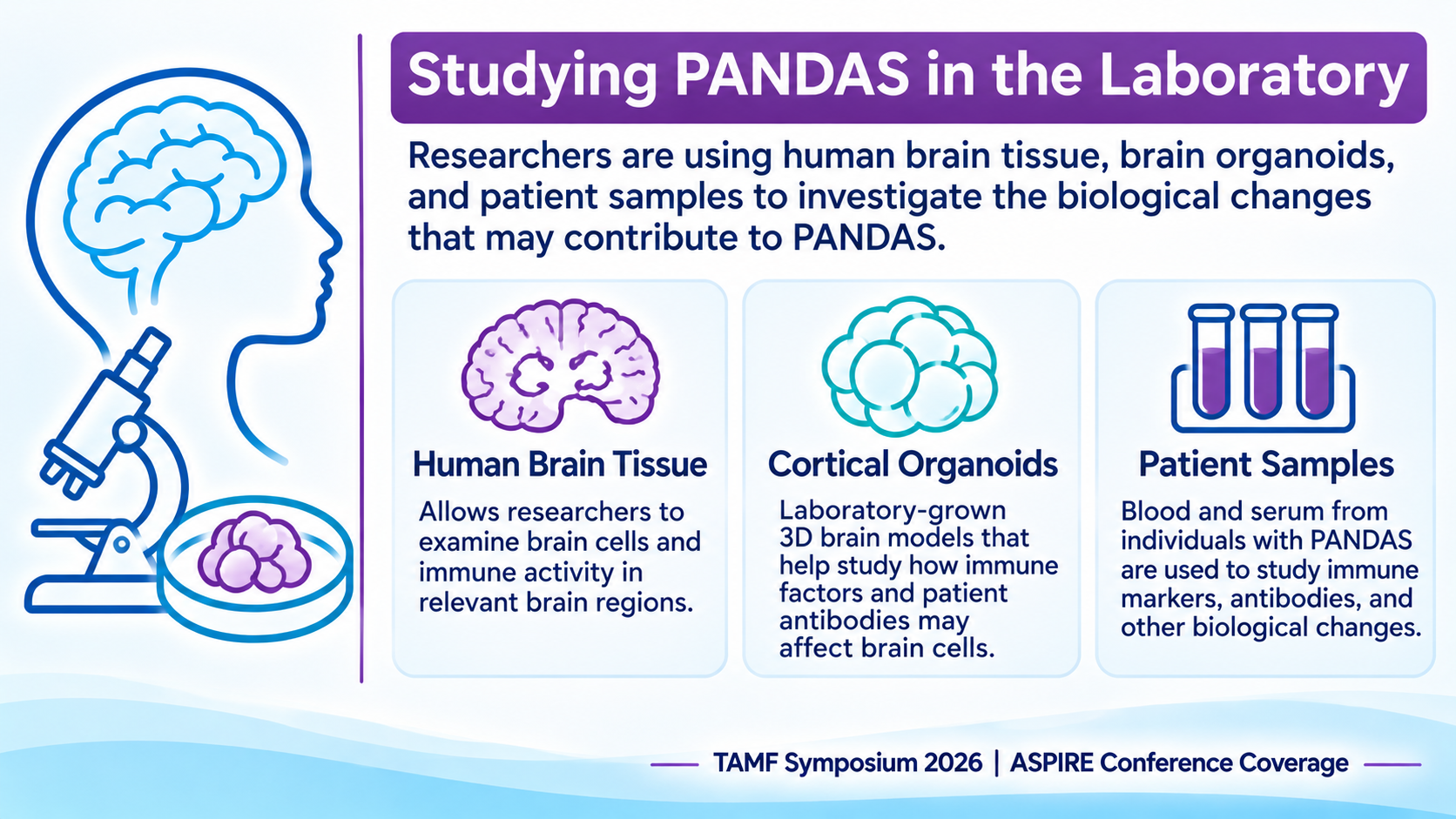
Sean Miller, PhD, presented research aimed at understanding how PANDAS affects the brain at the cellular level. His team is studying human brain tissue to identify differences in the activity of individual brain cells. Researchers are also developing laboratory-grown models of brain tissue, known as brain organoids, which allow them to investigate disease processes that are difficult to study directly in patients.
These models can be exposed to serum from patients with PANDAS to assess whether circulating blood substances affect brain cells. Miller also discussed research involving the blood-brain barrier, the protective system that regulates what enters the brain from the bloodstream.
Together, these approaches offer researchers new ways to investigate how immune-related processes may contribute to changes in brain function in PANDAS. By examining what happens at the cellular level, researchers hope to identify biological mechanisms that could eventually inform more targeted approaches to diagnosis and treatment.
The Search for Biomarkers and More Precise Patient Characterization
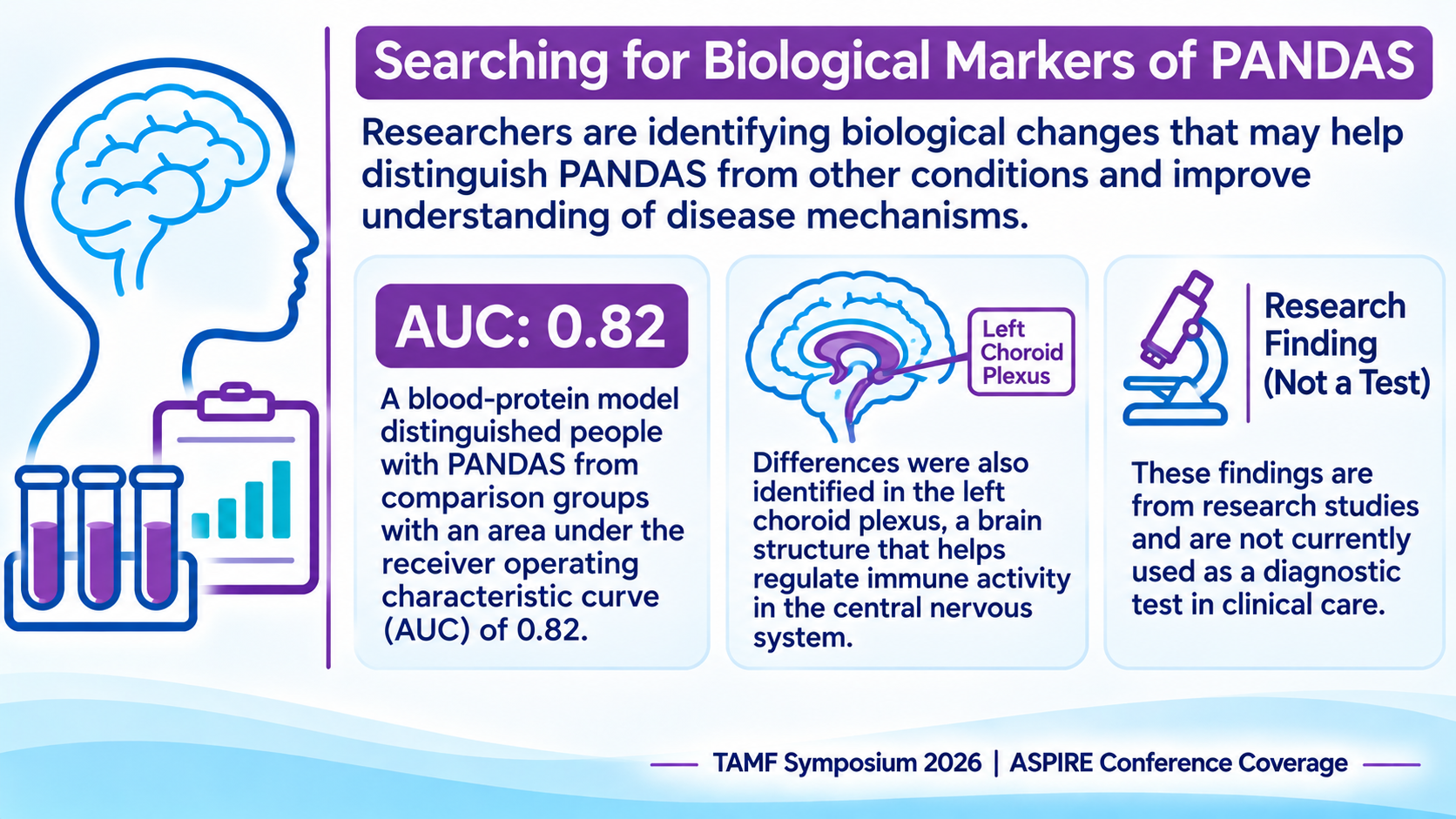 Lauren Breithaupt, PhD, presented research exploring whether specific proteins in the blood and changes visible on brain imaging could help identify biological differences associated with PANDAS. Her team developed models using combinations of three or seven blood proteins to distinguish patients with PANDAS from healthy individuals and other clinical comparison groups.
Both models achieved a score of 0.82 on a measure called the area under the receiver operating characteristic curve (AUC). This measures how well a test or research model distinguishes between two groups. A score of 0.5 is no better than chance, while 1.0 represents perfect discrimination. These results suggest that blood proteins may eventually help researchers identify biological markers of PANDAS, although the models are not yet diagnostic tests.
Breithaupt also reported that patients in the study had a larger left choroid plexus, a structure in the brain that produces cerebrospinal fluid and plays a role in communication between the immune system and the brain. This difference was not linked to the severity of patients’ symptoms, but it offers another potential avenue for understanding the biology of PANDAS.
Exploring Immune Patterns and Patient Differences
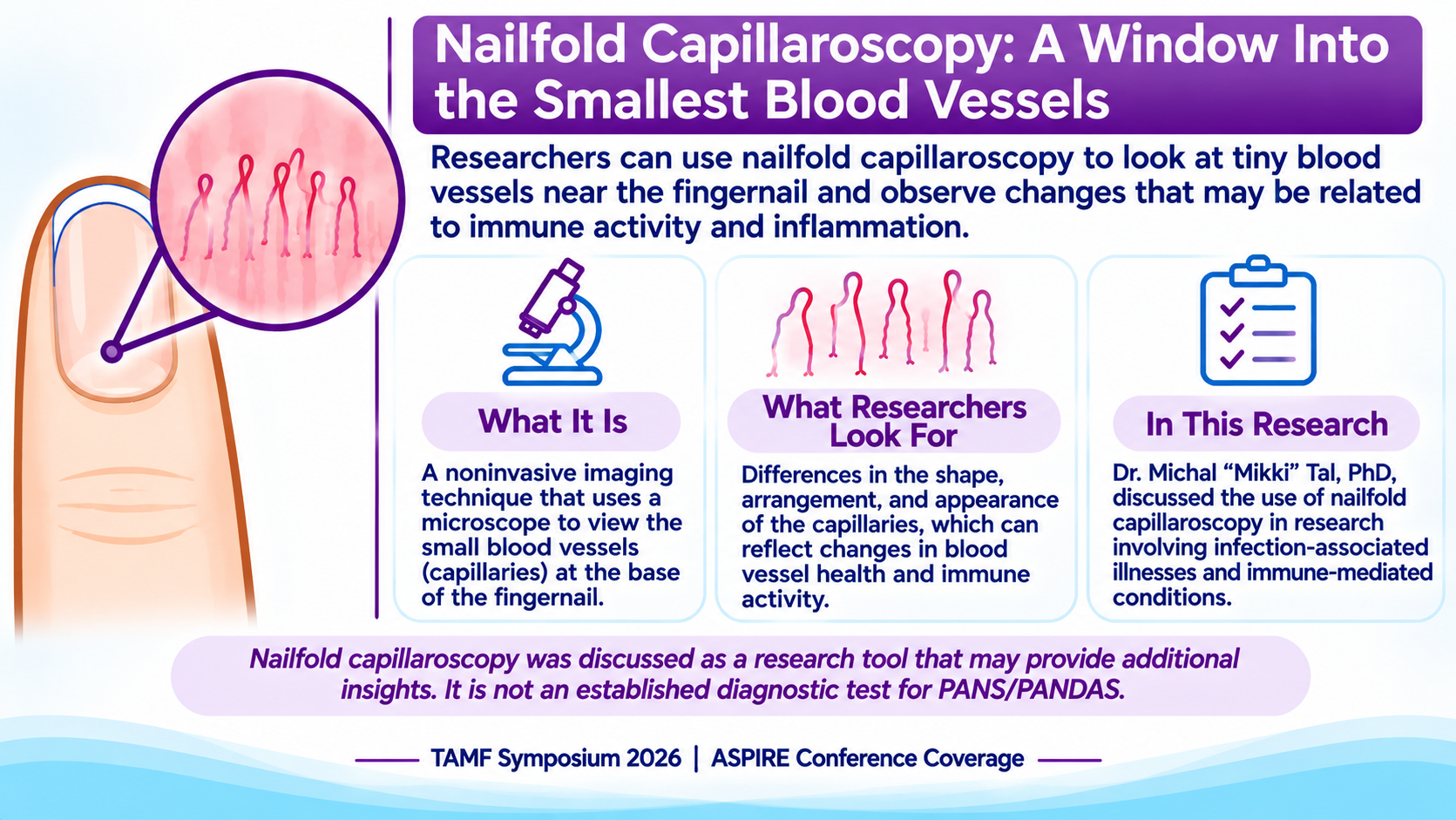 Another theme was the possibility that patients with similar symptoms may have different underlying biological processes. Michal “Mikki” Tal, PhD, discussed research on Lyme disease and Long COVID that uses multiple approaches to investigate why patients experience different symptoms and recover at different rates.
One particularly interesting technique involves examining the tiny blood vessels at the base of the fingernails, near the cuticle. Using magnification, researchers can observe these vessels without an invasive procedure and look for differences in their appearance, shape, and arrangement. This technique, called nailfold capillaroscopy, provides a window into the body’s smallest blood vessels and may offer clues about changes in circulation or blood vessel health associated with illness.
Tal’s research combines observations like these with detailed studies of the immune system to identify biological patterns that may distinguish patient groups. Although her work focuses primarily on other infection-associated illnesses, this approach raises important questions for PANS/PANDAS, including whether measurable biological differences could help explain variations in symptoms, disease course, and treatment responses.
Her work also intersects with that of Sean Miller, PhD, and Lauren Breithaupt, PhD, whose research employs different methods to investigate the biological changes associated with PANDAS. Together, these presentations highlighted the potential value of studying differences among patients, rather than assuming that everyone with the same diagnosis has identical underlying biological processes.
Understanding Restricted Eating Through the Gut-Brain-Immune Connection
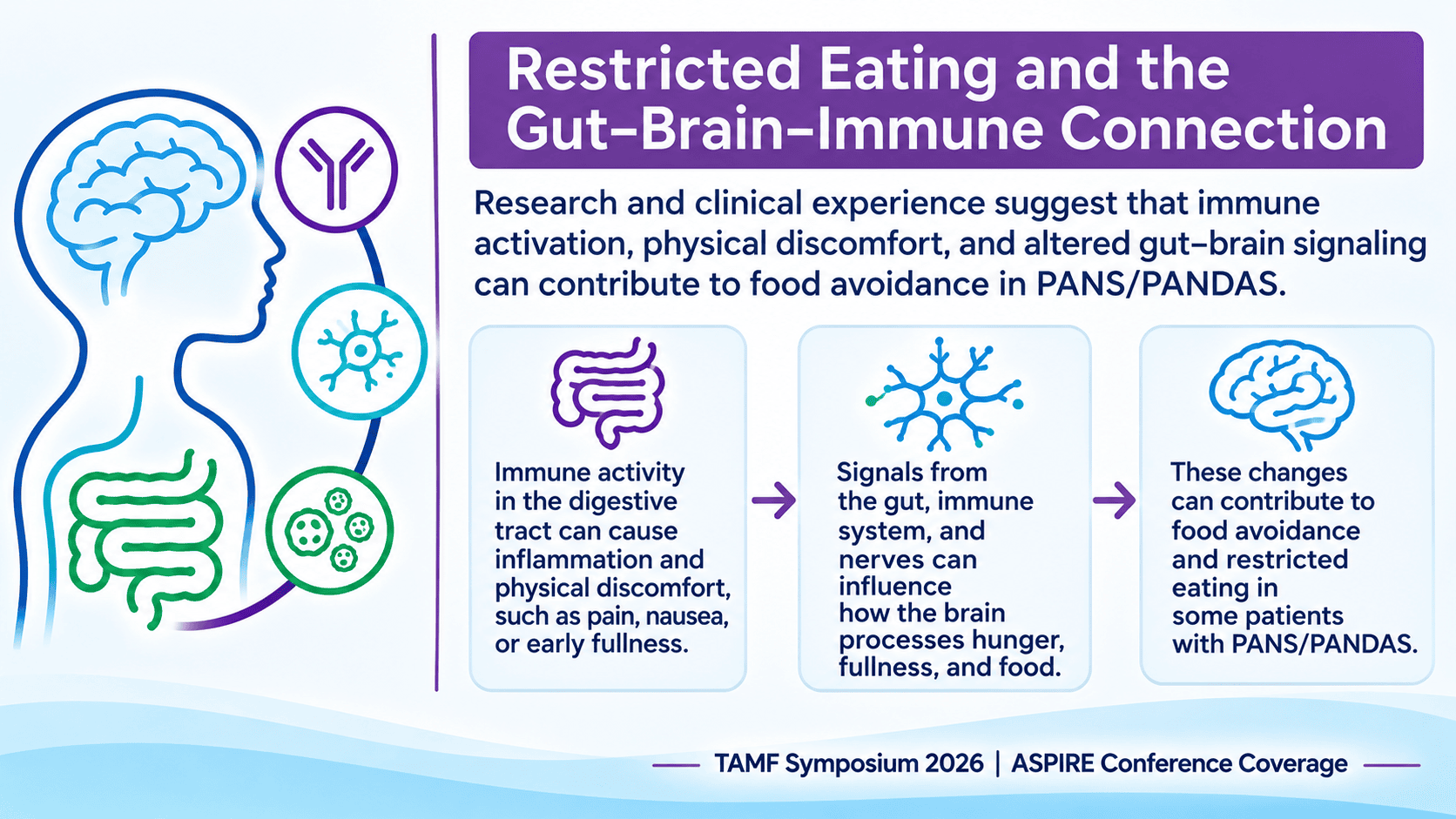
The symposium’s ONE BODY theme was particularly evident in presentations exploring the relationship between the nervous system and other organ systems.
Laura Pace, MD, PhD, a neurogastroenterologist, discussed research on how the digestive, immune, and nervous systems communicate with one another. She explained that immune cells in the gut can activate nearby nerves, potentially contributing to pain, nausea, and changes in how the body responds to food. These interactions may also affect the intestinal barrier, which normally helps control what passes from the digestive tract into the body.
One particularly interesting area of research involves how the brain learns to associate certain foods with illness or discomfort. Pace described experimental findings suggesting that immune signals from the gut can influence how the brain remembers and responds to food, potentially triggering avoidance as a protective response. This raises important questions about why some patients develop significant food restrictions and whether those restrictions may sometimes involve more than anxiety, sensory sensitivities, or obsessive-compulsive symptoms.
Pace also discussed specialized imaging techniques that allow clinicians and researchers to examine the intestinal lining in real time, including changes that may not be detected through routine testing. Her presentation highlighted the importance of investigating possible physical contributors to gastrointestinal symptoms and food avoidance rather than assuming these symptoms have a purely psychiatric explanation.
Other conference presentations addressed rheumatologic, autoimmune, and genetic findings in patients with complex neuropsychiatric symptoms. Together, these discussions reinforced the importance of looking beyond the brain alone when evaluating patients with PANS/PANDAS and related conditions.
Treatment Decisions and the Evolving Evidence Base
Treatment was another important area of discussion, particularly the relationship between clinical experience, emerging research, and published evidence.
Beth Latimer, MD, discussed her clinical approach to treating PANS/PANDAS, emphasizing that treatment decisions should reflect both the severity of symptoms and the patient’s illness progression. She described using anti-inflammatory medications, including corticosteroids, to help control inflammation, and noted that intravenous immunoglobulin (IVIG) may be considered for patients with more significant or persistent symptoms. She also discussed therapeutic plasma exchange (TPE), a procedure that removes and replaces the liquid portion of the blood to help eliminate circulating antibodies and other immune-related substances. Drawing on her clinical experience, Latimer described patients with severe symptoms who experienced substantial improvement following plasma exchange, sometimes after only the second or third treatment.
Latimer also discussed treatments such as rituximab, which targets specific immune cells, for patients with difficult-to-control or recurrent illness. Throughout the presentation, she emphasized the importance of balancing treatment risks against the consequences of ongoing illness, particularly when patients are experiencing severe functional impairment. As she put it, “It is important to be cautious, but it is important to be aggressive.”
The conference also included a panel discussion of the American Academy of Pediatrics (AAP) clinical report on PANS, featuring Juliette Madan, MD, Angela Tang, MD, and Jessica Slice. Panelists examined the report’s conclusions, areas of agreement, and important differences in clinical interpretation, particularly regarding antimicrobial and immunomodulatory treatment.
A central distinction raised during the discussion was that the AAP publication is a clinical report rather than a formal clinical practice guideline. This distinction matters when interpreting its recommendations and their role in clinical decision-making. Panelists also emphasized that insufficient evidence to establish a treatment’s effectiveness is not the same as evidence that the treatment is ineffective. The absence of conclusive evidence and evidence demonstrating a lack of benefit are different scientific conclusions.
This discussion reflected an important challenge in PANS/PANDAS care. Clinicians must make decisions for patients experiencing substantial functional impairment. At the same time, research continues to clarify disease mechanisms, treatment responses, and the characteristics that may help identify which patients benefit from particular interventions. The panel underscored the importance of accurately interpreting the available evidence while continuing to develop stronger research and more consistent approaches to clinical care.
From Recognition to Coordinated Clinical Care
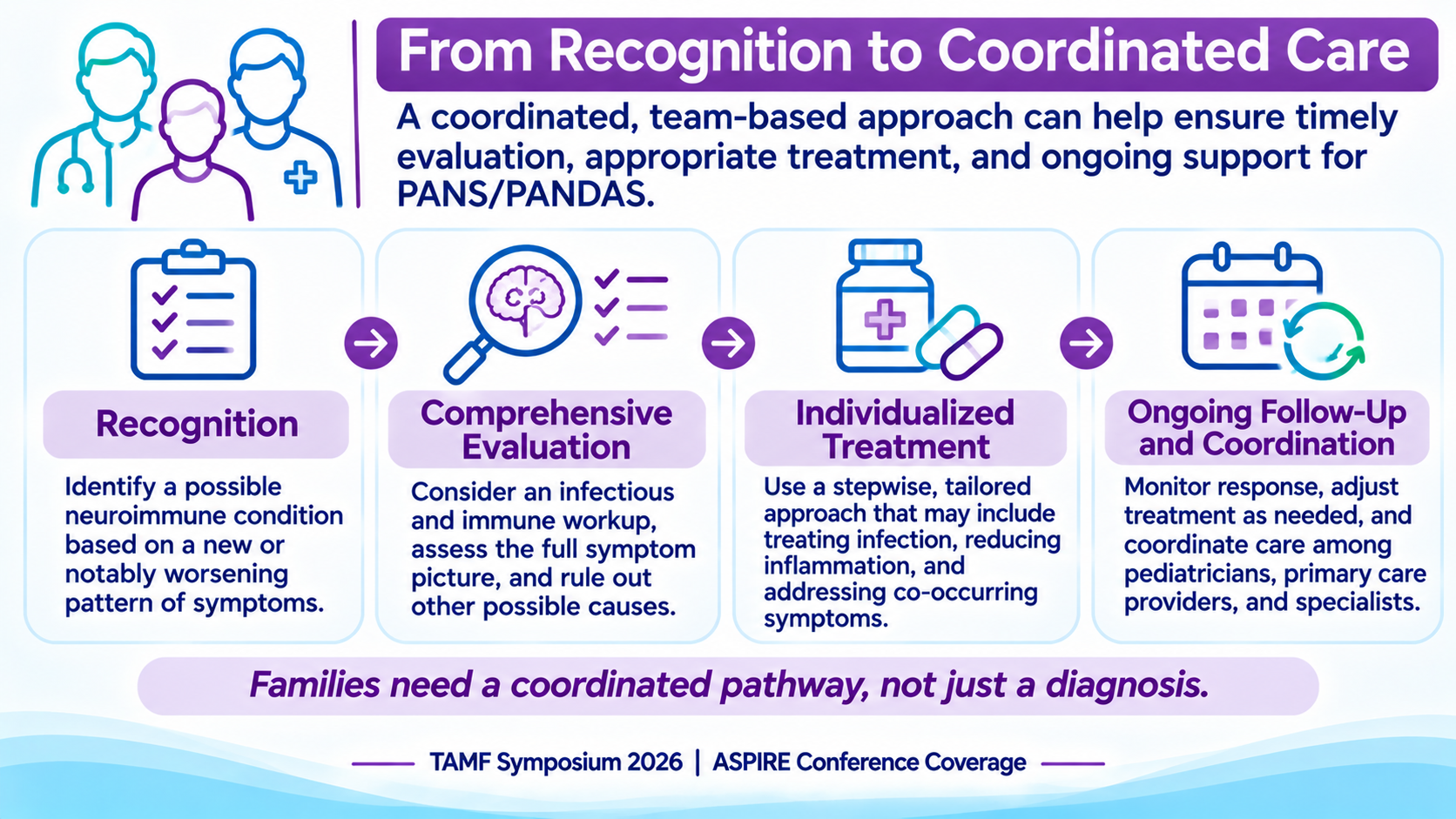 Recognizing possible PANS/PANDAS is only the beginning. Pediatricians and primary-care clinicians play an important role in identifying changes from a patient’s baseline, investigating potential medical contributors, and helping families navigate the evaluation and treatment process.
Andrew Baumel, MD, emphasized the importance of taking a thorough clinical history, including looking for earlier, shorter episodes of symptoms that may have followed infections. His observations highlighted how primary-care clinicians, who often know a child’s medical and developmental history, can recognize patterns that might otherwise be missed.
Shella Raja, MD, presented a primary-care model within Kaiser designed to improve coordination of PANS/PANDAS care. Her approach included structured evaluations, regular follow-up, designated clinicians familiar with PANS/PANDAS, and collaboration with specialists when needed. An important feature was the use of warm handoffs, in which clinicians help connect patients directly with other providers rather than simply giving families a referral.
Together, these presentations highlighted the importance of creating a clear pathway from recognition to evaluation, treatment, and ongoing care. Families should not have to coordinate every part of a complex medical process on their own.
Neuroimmune Conditions Across the Lifespan
Daniel Albert, MD, and Juliette Madan, MD, presented clinical cases involving complex neuroimmune and neurobehavioral conditions in adolescents and adults. The cases illustrated the importance of considering autoimmune, rheumatologic, and genetic findings when patients experience severe or difficult-to-treat neuropsychiatric symptoms, particularly when additional systemic or neurologic features are present.
The presentation highlighted the value of multidisciplinary assessment and demonstrated how additional medical findings may change the understanding and management of a patient’s condition. It also raised broader questions about the relationship between pediatric and adult neuroimmune psychiatric disorders, including patients whose symptoms begin in childhood or adolescence and continue into adulthood.
These discussions reinforce the need for research and clinical care that extend across the lifespan. Patients with persistent neuroimmune illness need appropriate evaluation, treatment, and continuity of care as they transition from pediatric to adult healthcare systems.
Where the Field Is Heading
Taken together, the presentations identified several important directions for research and clinical development:
- Understanding disease mechanisms: Investigating inflammatory signaling, immune regulation, molecular mimicry, and interactions between the immune system and nervous system.
- Developing biomarkers: Identifying blood proteins, imaging findings, and other measurable characteristics that may improve understanding of PANS/PANDAS and eventually support more precise clinical assessment.
- Recognizing biological differences: Exploring whether patients with similar symptoms have distinct underlying mechanisms that may influence disease course and treatment response.
- Strengthening treatment research: Building evidence that can better inform individualized treatment decisions and identify which interventions are most effective for particular patient populations.
- Improving clinical pathways: Developing approaches that connect recognition, comprehensive evaluation, treatment, specialty collaboration, and ongoing care across the lifespan.
One of the most significant aspects of the conference was the range of research approaches being pursued. Scientists are studying human brain tissue, developing patient-specific cellular models, investigating immune pathways, and searching for measurable biological characteristics. At the same time, clinicians are sharing observations from complex patient presentations and exploring ways to make evaluation and treatment more coordinated and accessible.
Advancing Research and Improving the Patient Journey
The 2026 TAMF Symposium reflected a field pursuing multiple avenues of scientific and clinical progress. The presentations highlighted important research developments, new tools for investigating disease mechanisms, and continued efforts to understand why patients with PANS/PANDAS and related neuroimmune conditions may experience different symptoms, clinical courses, and treatment responses.
For ASPIRE, the connection between research and clinical practice is especially important. Advances in biological understanding may support more precise diagnosis and treatment in the future. Still, patients and families also need clinicians who recognize the full clinical picture, evaluate symptoms appropriately, and coordinate care today.
The goal is not simply greater recognition of PANS/PANDAS and related neuroimmune conditions. It is ensuring that recognition leads to meaningful evaluation, appropriate individualized treatment, continuity of care, and access to support. Continued collaboration among researchers, clinicians, healthcare systems, patients, and advocacy organizations will be essential to shortening the journey from symptom onset to effective care.
Thank You to Our Supporters
ASPIRE is grateful to the donors whose generosity made it possible for us to attend the 2026 TAMF Symposium and host an outreach table at the conference. Their support helps us connect with clinicians, researchers, and families, share educational resources, and bring important developments in PANS/PANDAS research and care to the broader community.
Help ASPIRE continue this work. Support future educational and outreach events.
Gabriella True
