 Treatment Fatigue in PANS Children, Teens, and Young Adults
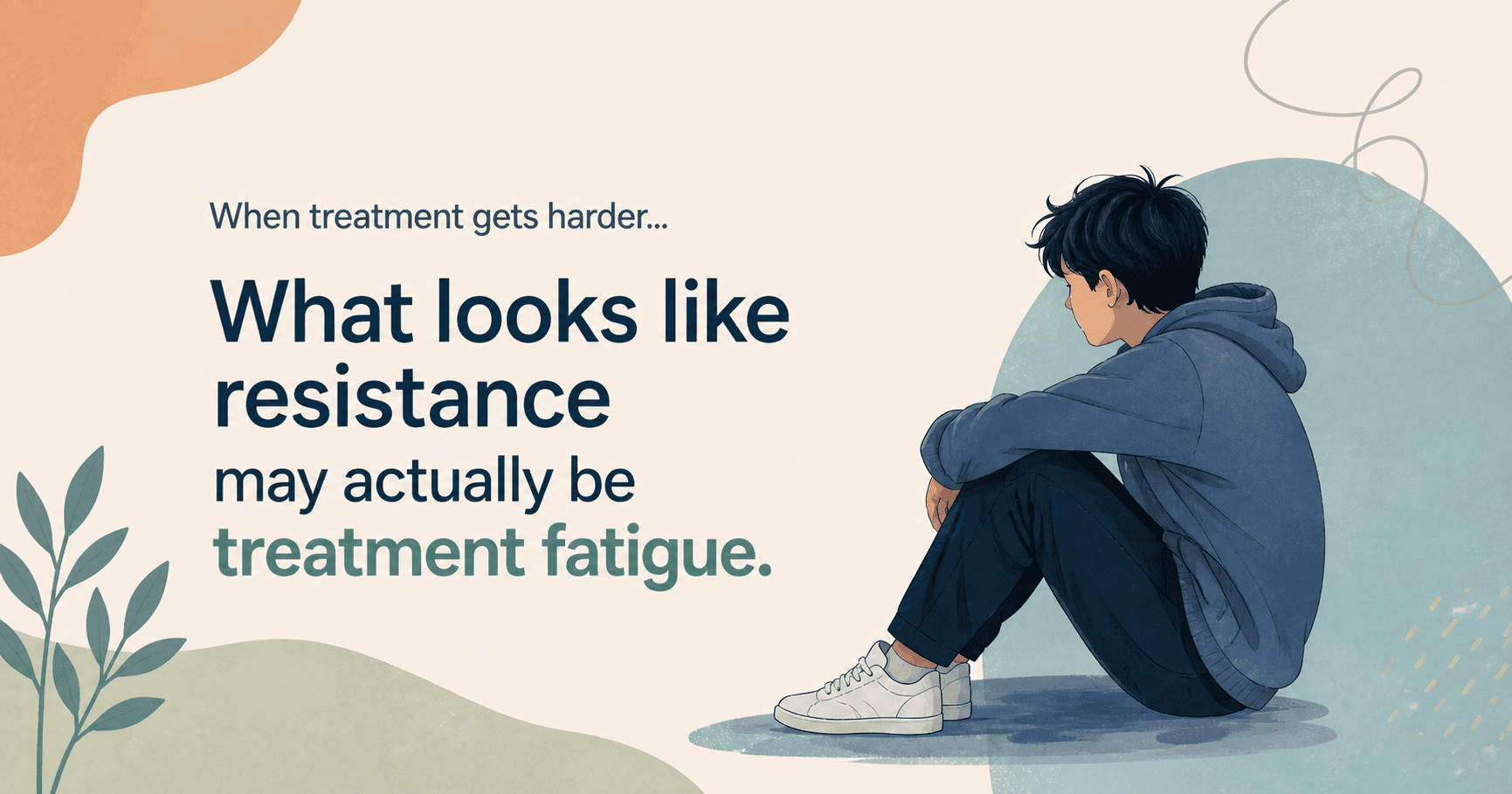
When we see pushback and disengagement from PANS kids, teens, and young adults around participating in treatment plans, it can be confusing for both parents and clinicians.
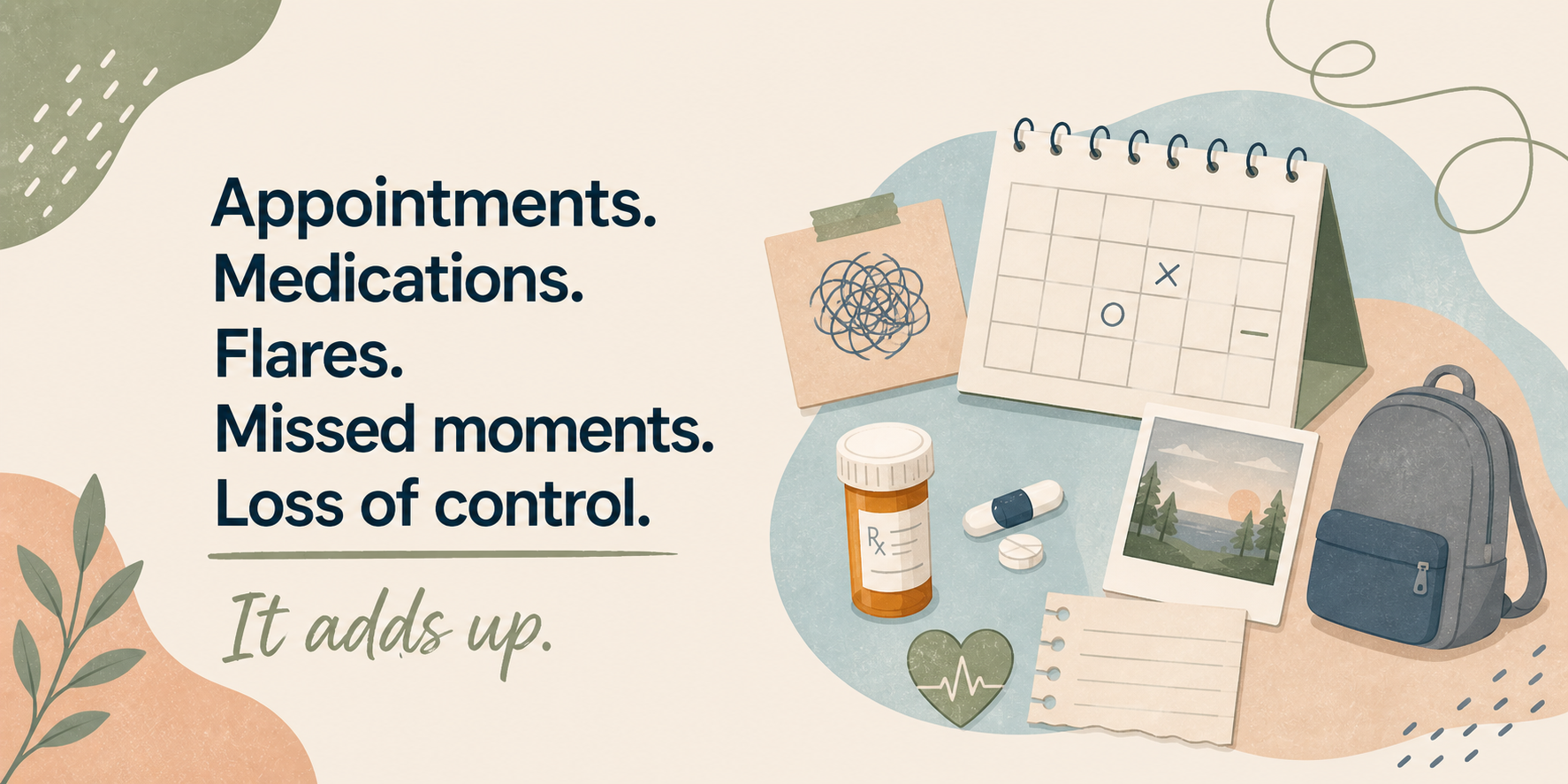
What appears to be “resistance” to treatment may actually be a reflection of the burden a young PANS person has been carrying for a long time. This burden includes multiple appointments, medications, flares and setbacks, missed experiences, loss of independence, and ongoing conversations about symptoms and treatment.
For many PANS youth, this ongoing medical stress and frustration of repeated flares can leave their nervous system in a state of hypervigilance, resulting in treatment fatigue.
 Understanding Treatment Fatigue
Treatment fatigue refers to the physical, mental, and emotional exhaustion that PANS youth experience as a result of the long-term effort of managing the illness.
There are several factors that contribute to treatment fatigue for PANS kids, teens and young adults.
Length of Time to Receive a Diagnosis and Trial and Error in Treatment
Research has indicated that there can be an average delay in diagnosis of 2.3 years, while some PANS youth have experienced a delay of diagnosis of up to 6.5 years after symptom onset.
When a diagnosis is finally received, the trial and error involved in creating an effective treatment plan is often lengthy and can yield mixed results, with many ups and downs and setbacks. Repeated cycles of flares and improvement followed by setbacks can be discouraging and create feelings like “Why keep trying if it’s just going to come back?”
Interaction with Multiple Providers
As PANS caregivers and clinicians know, there are typically multiple providers involved in treatment, which means many appointments for a PANS child, teen, or young adult, some of which may require time-consuming and exhausting travel.
Painful or Invasive Treatments and Other Challenges with Treatment Plans
PANS treatment can include uncomfortable treatments or procedures that can trigger anxiety and treatment fatigue, such as repeated blood draws and potential side effects from medications and supplements. Treatments like IVIG, plasmapheresis and Rituximab can be medically invasive and sometimes traumatic.
“Pill fatigue” can also develop for PANS youth due to the need for multiple pills, sometimes multiple times per day.
Since treatment plans may include special diets, this can also interfere with a PANS youth’s sense of autonomy and reduce their ability to make choices for themselves, possibly increasing treatment fatigue.
Medical Trauma
Repeated medical procedures that often accompany PANS treatment, even when necessary, can be registered in the body and mind as traumatic.
The medical experiences themselves can be traumatic, and any subsequent reminders, such as related conversations, appointments or protocol changes, can trigger the nervous system. These reminders can bring back feelings of pain, fear, loss of control, or disappointment.
When PANS youth begin to resist procedures, appointments or other aspects of treatment, it’s important to recognize the possibility of treatment fatigue rather than seeing this as lack of compliance. It is actually an attempt to protect themselves from feeling overwhelmed or helpless.
Missing Out and Wanting a Life That Feels “Normal”
Loss of “normal” life experiences can decrease hope and motivation to continue with treatment, contributing to treatment fatigue. PANS kids, teens and young adults grow tired of their life revolving around their medical issues.
Feelings of shame and being different can also add to treatment fatigue. Kids, teens and young adults want to feel like their peers, and PANS treatment highlights how they are different and can add to reduced willingness to participate in continued treatment.
Question and insight fatigue often occurs for PANS kids, teens and young adults. Caregivers need to regularly ask about symptoms and internal states, resulting in burnout and possible emotional shutdown. Ongoing reminders about taking supplements and medications are often needed, especially when executive functioning challenges are present.
PANS youth may also experience guilt about the amount of money, time or energy that their caregivers need to contribute to their care. This awareness — along with recognizing that caregivers may need to give them more time and attention than siblings — can also add to treatment fatigue.
PANS Treatment Interferes With Developmental Needs
Developmentally, a PANS youth needs to develop an identity that is separate from PANS, and resistance to treatment interventions can be a signal of their internal drive to do just that.
PANS treatment disrupts the natural developmental process that occurs between children, teens, young adults, and their caregivers in ways that can add to treatment fatigue.
Caregivers are put in the position of monitoring symptoms, asking frequent questions, and being involved in decisions that might otherwise be more private for a PANS youth. Even though this involvement is necessary, it can feel intrusive to a young person who is working toward independence and has a need for privacy.
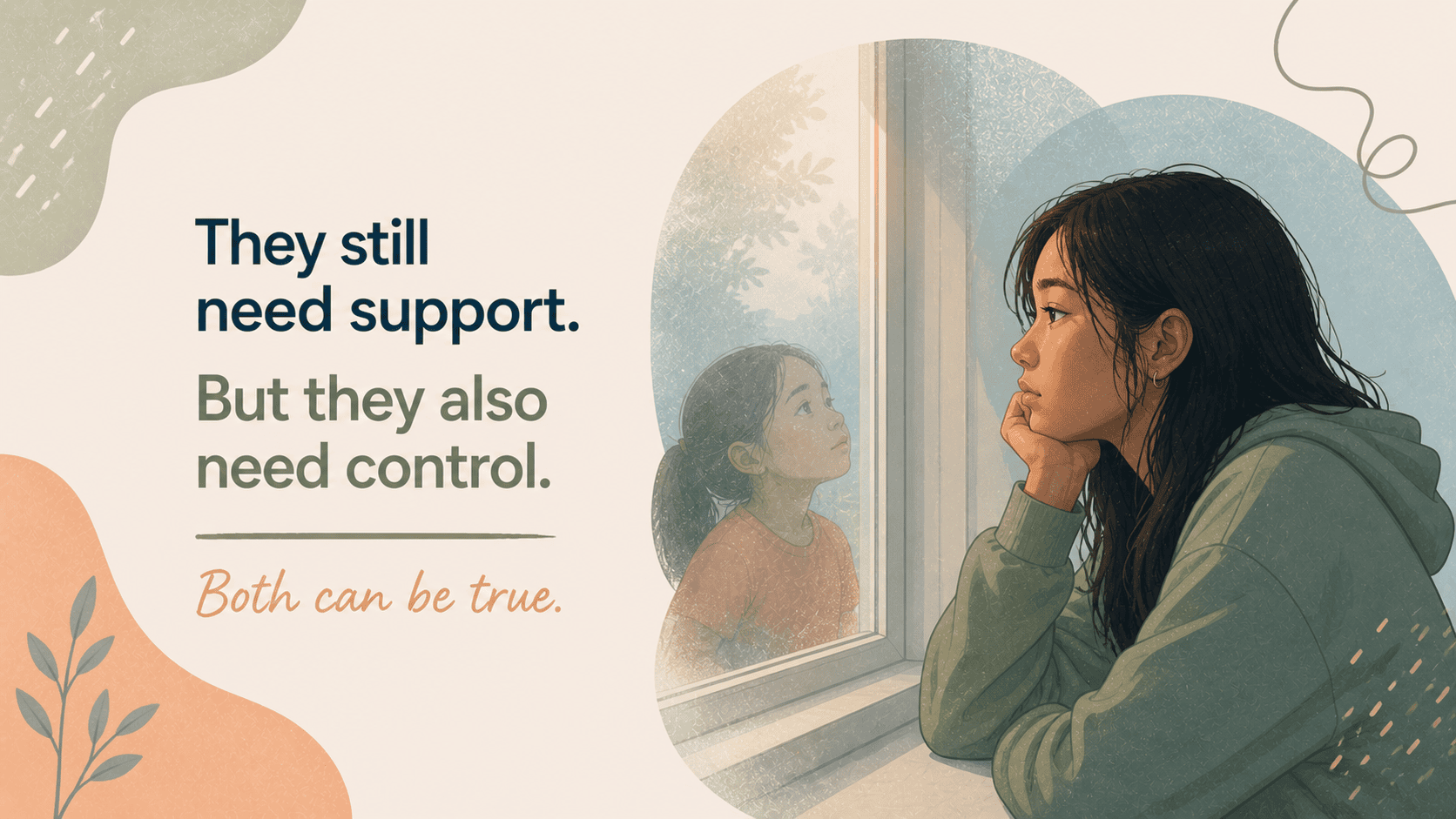
A PANS child, teen, or young adult is in a developmental dilemma. They are still in need of help and support, but they are also experiencing an internal drive to make their own decisions. With treatment fatigue, caregivers and clinicians can recognize what looks like potential resistance as a reflection of this developmental dilemma.
Loss of Control and Grief
Loss of control for PANS youth can be experienced by their own shifting mood and physical states, including anxiety, OCD, anger, fatigue, dizziness, changes in heart rate, or feeling out of their body neurologically and emotionally.
Treatment fatigue can also be connected to feelings of grief. PANS kids, teens and young adults often experience grief about loss of friendships or difficulty maintaining social connections due to anxiety, depression, fatigue or medical appointments.
PANS children, teens and young adults also experience grief about their sense of identity. The illness can impact “who they thought they were” and the hope of “getting back to who they were.”
Grief can also be present due to loss of skills or involvement in activities such as sports, musical interests and other interests.
A PANS Teen’s Experience Over Time With Treatment Fatigue
The dynamics of treatment fatigue show up most during everyday family interactions.
The following vignette is a fictional story of a PANS teen and her family that illustrates how these patterns can present over time.
By her mid-teens, Sara had been in treatment for years.
When Sara’s mother would ask her how she was doing, she would often snap back at her mother and say that she “didn’t know and didn’t care”. Or, she might leave the room and slam the door.
Any conversations about trying a new medication or anything related to PANS led to emotional outbursts or withdrawal. Sara’s mother could see that Sara would become visibly tense during these conversations, and her answers often conveyed her disappointment, “Why try again? The last one didn’t work. None of them work.” If her mother pushed further, she usually completely shut down.
From the outside, it could look like Sara was being difficult or was unmotivated about her PANS treatment.
However, underneath this outward presentation, she was carrying something much heavier.
Sara was exhausted from years of appointments and side effects. She was grieving friendships that had shifted and activities that she used to participate in. She was frustrated by repeatedly trying new medications or protocols, only to feel hopeful at first, and then disappointment when the new intervention so often didn’t help the way it was supposed to. Sara became confused about who she was anymore–she felt like all she did was deal with her illness.
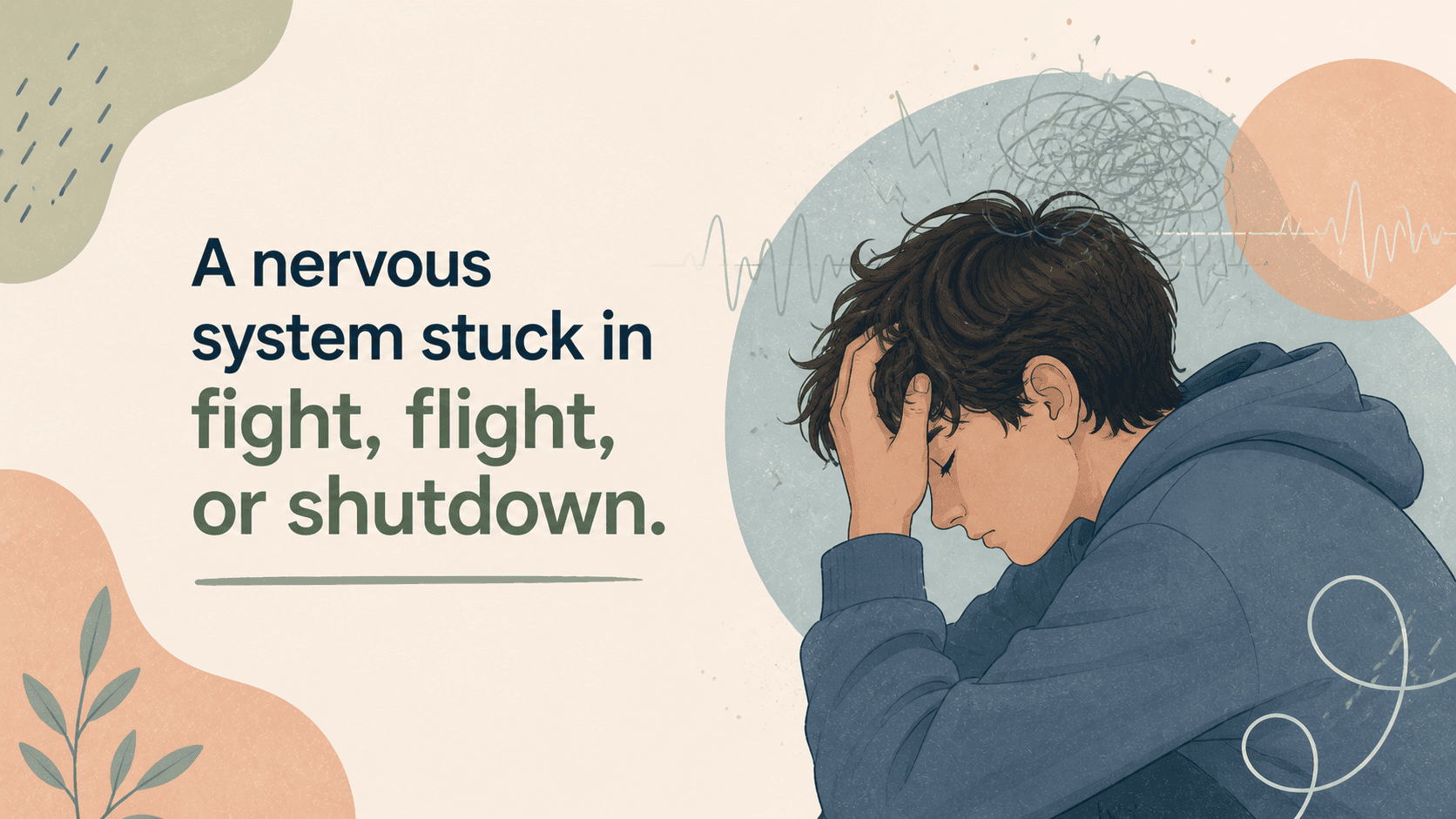
When Sara’s parents asked questions about her symptoms, she was continually reminded of the fact that she still wasn’t well and no one was confident that she was going to get better. Her nervous system had gotten to the point of exhaustion and she quickly switched into a protective stance of fight, flight or shutdown.
 What Treatment Fatigue Is Not
When PANS caregivers see the symptoms of treatment fatigue in the child, teen or young adult, they may ask themselves:
- Am I enabling by slowing down or backing off of treatments?
- Is my PANS child, teen or young adult manipulating me?
- If we slow down or pull back on treatment, what if we lose momentum? It feels like we have already lost so much.
- How do I balance compassion for my PANS child with progress?
These questions are 100% understandable given the stress and trauma that caregivers experience.
Shifting your approach as a caregiver or a clinician is not enabling, instead, it’s meeting a PANS youth where they are so that an effective approach can be put into place.
Additionally, shifting your perspective from suspecting manipulation to instead understanding a PANS youth’s need to protect their nervous system can ease a caregiver’s mind.
Modifications to treatment can be made so that although there may be a need to slow down treatment temporarily, movement in the right direction can be maintained with empathy that allows kids, teens and young adults to stay involved in treatment, but in a way that is compassionate and trauma-informed.
Why Pushing Harder Isn’t Always the Answer
If the child, teen or young adult is having frequent flares or other indications that they are inflamed or fighting infections, their nervous system doesn’t have the flexibility needed to respond to what can feel like a “demand” from a caregiver or practitioner regarding treatment. Pushing harder under these circumstances is not effective and can even cause increased resistance.
When treatment fatigue is understood through a nervous system and trauma-informed lens, the goal shifts from increasing compliance to restoring trust and a feeling of independence for the PANS child, teen or young adult.
 Supporting PANS Youth Experiencing Treatment Fatigue
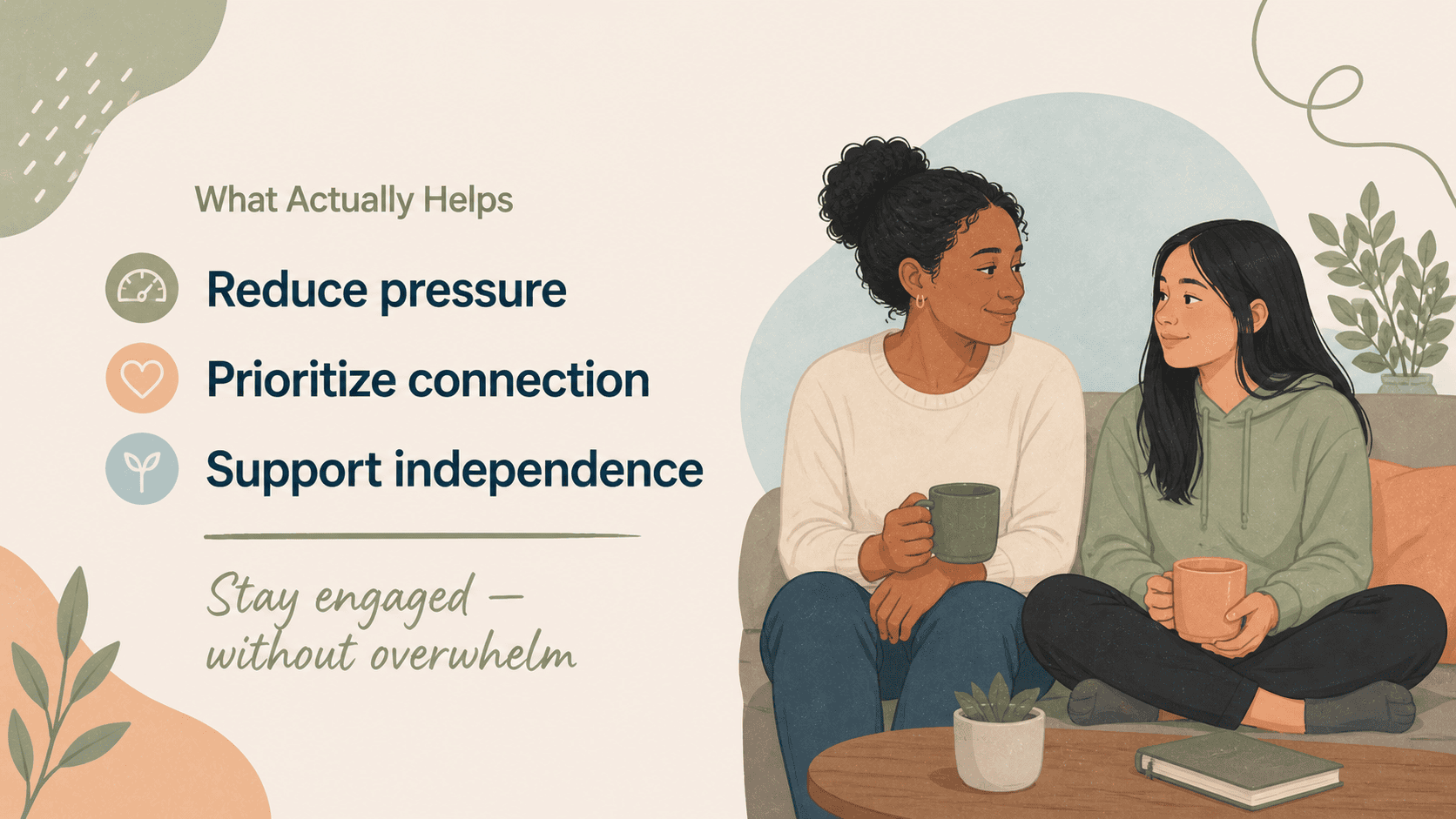
The key to reducing treatment fatigue is creating trust, supporting independence, and adjusting expectations. This allows for the ability to stay engaged in treatment without shame or pressure, so that treatment remains manageable in the long term.
This can be accomplished by doing the following:
- Reducing demands and providing necessary accommodations
- Protecting and maintaining an identity outside of illness
- Prioritizing connection over compliance
Low Demand Approach and Accommodations
When PANS kids, teens and young adults are experiencing treatment fatigue, a low or lower demand approach will tend to yield better results regarding treatment compliance.
A low or lower demand approach includes a non-judgmental, compassionate, trusting relationship with caregivers, practitioners and those involved in a PANS child, teen or young adult’s care.
Appropriate accommodations can lessen the burden a PANS youth carries and can help with treatment fatigue. Accommodations can include:
- Spacing out non-urgent appointments when possible
- Taking short “treatment pauses” from certain non-essential interventions when burnout is high
- Allowing the youth to help decide which treatment to try first, when medically appropriate
- Letting them choose the timing of medication or supplements, when possible
- Giving options about how appointments happen (telehealth vs. in person when possible)
- Listening to the youth’s concerns and incorporating them into treatment decisions when possible
- Scheduling one predictable daily check-in time rather than asking questions throughout the day
- Using simple rating scales or visual aids instead of repeated conversations
- Allowing the youth to say “I don’t want to talk about symptoms right now”
- Temporarily reducing school or other expectations
- Appropriate school accommodations
- Allowing more rest and recovery time
- Shifting from skill-building to emotional support and stabilization
Protect and Maintain an Identity Outside of Illness
Caregivers can aim to include time for interests, hobbies, or creative outlets for PANS kids, teens, and young adults to help them maintain an identity separate from PANS.
Supporting low-pressure social connection when possible is very helpful if a PANS youth is able to do so. Encouraging activities that bolster a sense of self outside of illness is supportive and can reduce treatment fatigue.
Prioritizing Connection Over Compliance
When fatigue is high, maintaining the relationship is more important than enforcing treatment.
Helpful shifts can include:
- Validating frustration and other feelings about the illness
- Instead of insisting on treatment compliance when there is pushback–”You have to take this medicine”, try using curiosity: ”What’s on your mind right now? Is it something about the medication, or is something else bothering you?”
- Less is more during treatment fatigue. Discuss illness-related issues less often. Aim to ask fewer questions. Drop an upsetting topic and allow for some cool down time and reconnection.
- Acknowledge the treatment fatigue–”You have been doing this for a really long time. It is exhausting at times, right?”
- Acknowledge the injustice–”It’s not fair that you’ve had to deal with PANS. It has taken a lot from you.”
- Repair with the child, teen or young adult when things go off track–”I’m sorry if I didn’t listen as well as I should have”, “I think I may have been pushing too hard earlier”.
- Focus on effort, not outcomes–”It took a lot of courage to try that medicine”, “You’ve hung in there for some really tough times with this treatment”.
- Acknowledge mixed feelings–”I know you want to get better and these treatments are just so difficult to bear at times”.
What Shifted Over Time
The following vignette follows up on Sara, the PANS teen who was experiencing treatment fatigue, after her caregivers and practitioners made some beneficial changes.
Sara’s mother began to recognize that there needed to be some changes due to treatment fatigue. The changes took time, and there were some ups and downs.
The first thing that changed was that Sara’s mother worked on slowing down and stepping back around discussions of PANS treatment. This was very difficult internally for her mother at first, because she felt pressure for Sara to get well and she worried that if she backed off, Sara’s progress could stall.
Sara’s mother recognized that asking too many questions actually had her daughter pull back from her and resist PANS treatment even more strongly. She began spacing out questions more and increased conversations that weren’t related to PANS.
When Sara’s mother noticed that Sara’s nervous system was activated, she slowed things down and validated for her child how difficult it was having to deal with this illness.
When it was time to discuss medication, supplements or any treatment planning, Sara’s mother first asked if it was a good time to have the discussion. If Sara said no, she offered choices and asked for input around when it might be a good time for a discussion in order to increase a feeling of control.
The treating clinician also shifted their role. The clinician coordinated treatment between multiple providers and worked with the family on pacing interventions in a way that felt more tolerable. The clinician asked for Sara’s input and perspective, to help increase a sense of control and a feeling of respect.
When Sara’s parents noticed pushback, which was now reframed as treatment fatigue, they were able to understand that this pushback could be a reflection of the losses she had experienced. Her parents validated her losses, which allowed Sara to release some of the grief and feel some relief.
Over time, with these changes, Sara was better able to slowly re-engage in treatment in a way that felt tolerable and doable for her.
The Right Changes Can Reduce Treatment Fatigue
When dealing with treatment fatigue in PANS, it’s important to keep the end goal in mind: helping the youth remain engaged in treatment.
In order to preserve that engagement, caregivers and clinicians can be mindful and sensitive to the issues that contribute to treatment fatigue and take the steps necessary to reduce it when possible.
 How Clinicians Can Help Reduce PANS Treatment Fatigue
Since PANS youth and their families are often juggling treatment recommendations from multiple providers, clinicians can aim to be aware of the full treatment load the youth and the family are carrying. Pacing interventions carefully, getting input from the youth and caregivers about the treatment plan and prioritizing the most essential interventions can reduce treatment fatigue.
When clinicians work from a trauma-informed lens, they can recognize that pushback or resistance to treatment is a nervous system activation due to painful and uncomfortable procedures and protocols, past disappointments, grief, loss of control, and loss of independence and identity.
Clinicians can support families by recognizing that caregivers are often managing complex treatment plans while also trying to preserve connection with their child, teen, or young adult.
Clinicians operating from a trauma-informed lens can:
- pace treatment recommendations when possible
- collaborate with families to reduce unnecessary treatment burden
- validate treatment fatigue rather than framing it as noncompliance
- support caregivers in preserving connection with their child
- recognize when slowing down may help restore engagement in treatment
Support Resources for PANS Families and Youth
If you are looking for support as a PANS youth, caregiver or clinician, here are some helpful links:
For PANS Youth
- ASPIRE ChitChat for Adult Patients – Informal, adult patient-to-adult patient support meetings conducted via Zoom:
https://aspire.care/resources/aspire-chitchat/ - ASPIRE Facebook Group
https://www.facebook.com/groups/aspirepans/ - For PANS teens and young adults: PANSCOURAGE groups on Instagram: @PANScourage
- National PANDAS/PANS Youth Alliance
www.nationalpandasyouthalliance.org/home
For PANS Caregivers
- ASPIRE ChitChats – Informal, parent-to-parent support meetings conducted via Zoom and sometimes in person:
https://aspire.care/resources/aspire-chitchat/ - ASPIRE Facebook Group
https://www.facebook.com/groups/aspirepans/ - Neuroimmune Parent support
https://neuroimmune.org/patient-and-family-resources/
Work with a trained PANS therapist
- ASPIRE Find a Provider
https://aspire.care/treating-pans/find-a-provider/ - Neuroimmune Foundation Provider List
https://neuroimmune.org/patient-and-family-resources/pandas-pans-doctors/ - PANDAS Physicians Network Provider List
https://www.pandasppn.org/practitioners/
For PANS Clinicians
- ASPIRE Information for Clinicians
https://aspire.care/symptoms-diagnosis/pans_pandas_clinician_information/ - MIND Global Council
https://www.mindglobalcouncil.com/general-8 - Neuroimmune Clinician Resources
https://neuroimmune.org/clinicians/pandas-medical-resources/ - PANDAS Network Clinician Resources
https://pandasnetwork.org/resources/clinical-resources/
 Conclusion
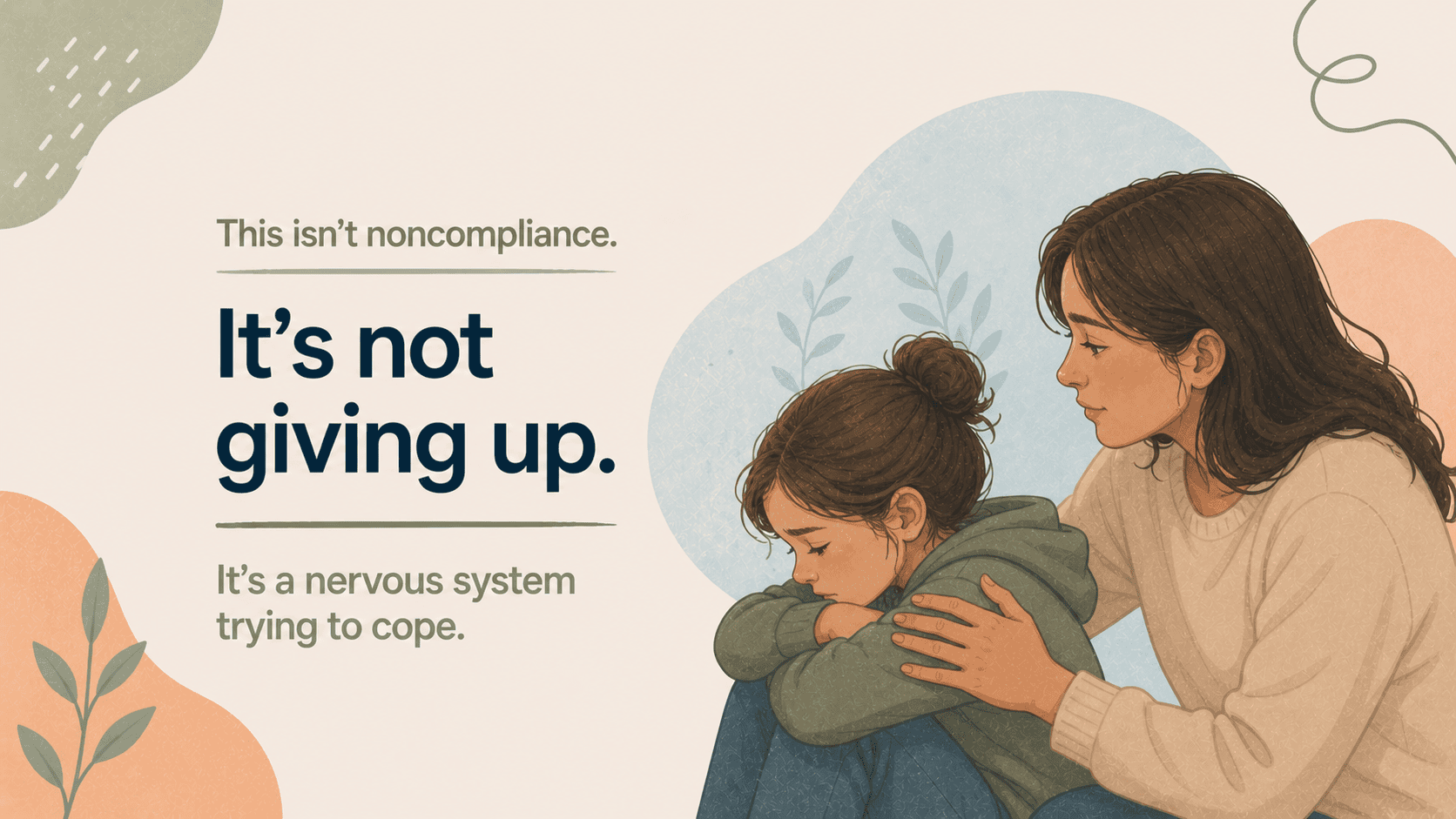
Treatment fatigue does not mean a PANS youth has given up, and it doesn’t mean that treatment progress will end. When treatment fatigue is recognized as a nervous system response to a challenging treatment path, it can be addressed and improved.
When caregivers and clinicians recognize the weight that PANS youth have been carrying, they can shift toward a collaborative approach and adjust the pace of treatment so the nervous system can feel safe enough to stay engaged in healing. Responding with empathy and flexibility — rather than increased pressure — can help restore a sense of safety and control for PANS youth.
Slowing down, making room for the developmental need for autonomy, and prioritizing connection can help PANS kids, teens, and young adults remain engaged in treatment.
From that place of safety, many PANS youth are better able to stay involved in treatment and continue moving forward, even if the path toward healing is more gradual.
Julie Cox, LCSW Biography
 Julie Cox, LCSW, is a licensed clinical social worker with 25 years of experience providing therapy to children, adolescents, adults, and families navigating complex neuroimmune and trauma-related disorders. She specializes in the mental health needs of individuals affected by PANS/PANDAS and related neuroimmune conditions, integrating clinical expertise with lived experience as a parent of a child diagnosed with PANDAS.
Julie’s clinical work is grounded in trauma-informed, integrative care. She draws from Internal Family Systems (IFS), EMDR, Collaborative Problem Solving, SPACE, ERP, CBT, DBT, Polyvagal Theory, and low-demand parenting frameworks to help children and teens stabilize behavior, reduce family stress, and regain functioning. She also provides specialized treatment for adults healing from childhood trauma, with a focus on how neuroimmune processes intersect with identity, attachment, and emotional regulation.
In addition to her clinical practice, Julie spent eight years working in medical research and has been published twice in peer-reviewed outlets. Her research and publications strengthen her ability to collaborate with multidisciplinary medical teams and bring an evidence-informed perspective to the neuroimmune landscape, while keeping the lived experience of patients and families at the center of care.
Julie regularly partners with medical providers, researchers, school systems, and family advocates to reduce stigma, improve access to informed care, and support system-level change. She is deeply committed to advancing compassionate, evidence-informed mental health care for families affected by neuroimmune and autoinflammatory conditions worldwide.
Gabriella True
